Milk products include milk, cheese, yogurt and cottage cheese (fromage frais) – but not butter, margarine or cream, which belong in the fat and sugar group. The foods in this group contain many different types of nutrients, but are particularly rich in calcium.
Milk products – the importance of calcium
Calcium is a mineral that strengthens your bones and teeth, and ensures everything runs smoothly with your muscles and nerves. It’s especially important for growth. Calcium can continue to add to the strength of your bones until you reach the age of 30 to 35, when peak bone mass is reached.
After this point, as a natural part of the aging process, your bones lose their density and grow weaker. If you haven’t had enough calcium in your diet prior to this, there’s an increased risk that your bones won’t be strong enough to cope with any weakening, which can result in the brittle bone disease, osteoporosis.
Health professionals estimate that one in three women and one in 12 men over the age of 50 suffer from osteoporosis. There’s also concern that the diets of teenage girls and young women, in particular, aren’t high enough in calcium. Some experts predict the future could bring an osteoporosis epidemic in women.
Milk products – calcium for vegans and the lactose intolerant
Of course, if your diet excludes milk and dairy products or if you can’t tolerate the milk sugar lactose, then you need to look for calcium alternatives. You can keep your bones healthy by:
 |
buying soya milks, yogurts and cheeses enriched with calcium |
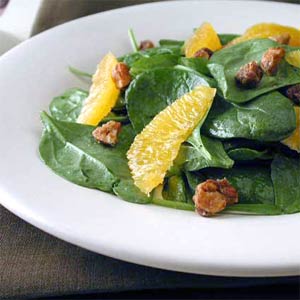 |
eating lots of dark green leafy vegetables, such as spinach, broccoli and watercress |
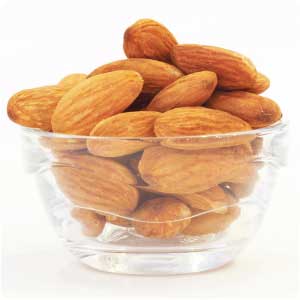 |
using almonds or sesame seeds as topping on salads, cereals or desserts |
 |
snacking on dried fruits – apricots, dates and figs all contain small amounts of calcium |
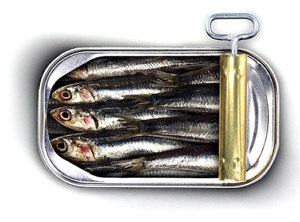 |
if you’re not vegan, adding sardines, prawns or anchovies to a main meal |
Milk products – how much is enough?
The Department of Health recommends that both men and women get 700mg of calcium every day to ensure good health. Realistically, this means one of the following:
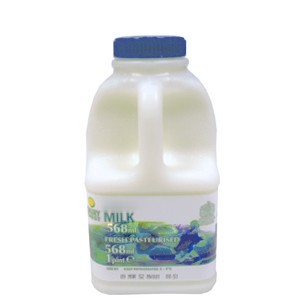 |
a pint of milk |
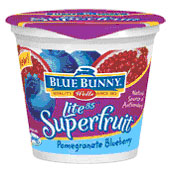 |
two small tubs of plain or fruit yogurt |
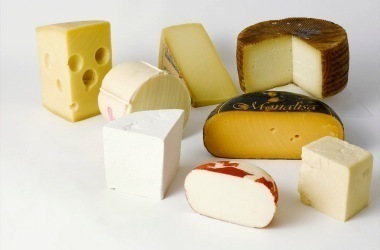 |
roughly 80g of hard cheese |
The good news is, if you’re concerned about your weight, getting the calcium you need doesn’t have to mean eating or drinking full-fat foods. There’s exactly the same amount of calcium in skimmed milk as there is in whole milk. The same goes for low-fat yogurt and reduced-fat cheese. You don’t have to buy their full-fat counterparts to look after your bones.
Discover more in http://weight-loss-tips-programs.com/basics/dos-and-donts.html