Normal menstrual cycle is a key for female health, reproduction and other important functions including sexual behavior, skin appearance, hormonal fluctuations, etc. Menstrual cycle can be different from woman to woman and it can change during different periods of...
 Menstrual periods can be different in women depending on hormonal fluctuations, genetic factors, type of contraception, hormonal dysfunctions, reproductive history and more. Sometimes women could experience unusual light periods which could be confusing. Menstrual...
 Toxic shock syndrome (TSS) was described in XX century in some women who used old models of vaginal tampons. News appeared in public news in 1980s but since then tampon producers changed dramatically the quality of vaginal hygienic (menstrual) tampons. This is why the...
 Mid cycle brown discharge is common for many women. While nothing like this ever happens to most women, some women experience mid cycle brown discharge regularly every month. It can be considered as pretty reliable indicator of ovulation which can be used for...
 Sometimes women could experience ovulation spotting – it is just very short spotting which coincide with ovulation days (13-14-15-16 days of menstrual cycle depending on cycle duration). In general, ovulation spotting can be a result of sharp hormonal changes during...
 Sometimes women could experience mid cycle cramping with or without bleeding. If you have pelvic pain or abdominal pain or cramping in the middle of menstrual cycle, it could be just ovulation pain. Mid cycle cramping and bleeding could appear when dominant follicle...
 Women could experience middle cycle bleeding which could be triggered by several factors. Most commonly it is so called “ovulation bleeding” but different hormonal dysfunctions, cervical abnormalities, some contraceptives and even pregnancy could cause middle cycle...
 Toxic shock syndrome (TSS) is rare acute (sudden) health condition triggered by overgrowth of bacteria called Staphylococcus aureus. Actually toxic shock caused by released toxic poisonous substances produced by bacteria. TSS affects women during menstrual period...
 Menstrual period (menstruation) is regular monthly menstrual bleeding – it is a result of monthly uterine lining shedding (uterine lining tissue mixed with blood). Menstrual flow can be light, moderate or heavy (depending on hormonal fluctuations). Normal menstrual...
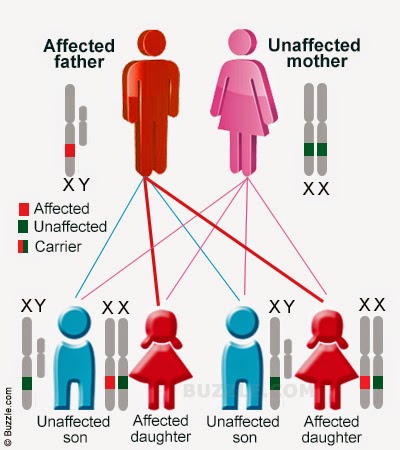 Swyer syndrome is very specific rare health condition which was first described by Dr. Swyer G.I. in 1955 – it is actually gonadal disgenesis (inherited disorder) which appeared only during puberty. It is typical Disorder of Sex Development (DSD) with population...
 Ovulation is very important period of women life – it is actually the most fertile period (time for getting pregnant fast or to prevent unwanted pregnancies). Knowing your own ovulation days, you can plan your fertility, schedule planned babies and prevent unwanted...
 Ovulation detection is very important for pregnancy planning as well as for effective contraception. Basal temperature during ovulation is very specific and can help women to identify period of ovulation. Basal body temperature (BBT) is the lowest measurement of the...
 Oligomenorrhea (late periods) means menstrual bleeding at intervals of greater than 35-36 days. Oligomenorrhea is a type of anbormal late periods – abnormally infrequent menstrual bleeding characterized by 3-6 menstrual cycles per year. Oligomenorrhea causes...
 Women health, reproduction functions, behavior and even appearance depend on female hormones. Female hormones have receptors everywhere (in the brain, ovaries, liver, skin, uterus, lips, hair, etc.) and can affect the entire body. Women depend on female hormones which...
 Bleeding between periods should not be ignored. Healthy women with normal regular menstrual cycle should have bleeding only once per month – at the end of menstrual cycle (every 22-35 days). Any bleeding outside of this should be considered as abnormal. Several...