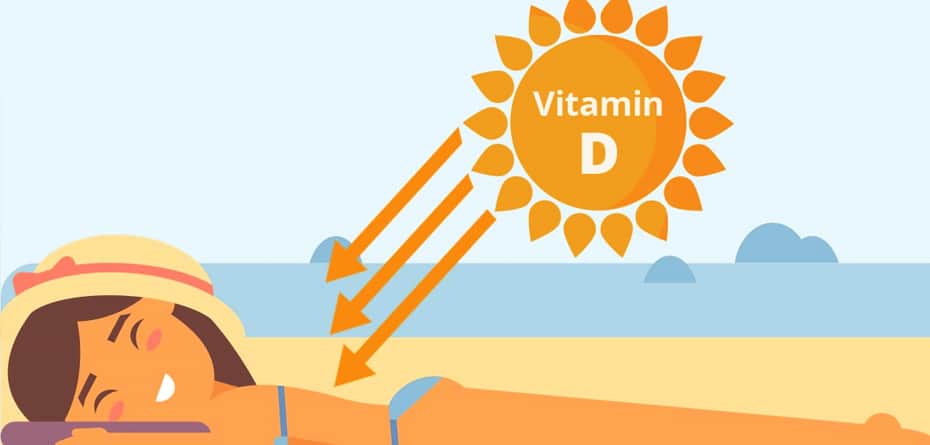
 Vitamin D is essential for optimal health. It is very important vital vitamin responsible for several promoting health functions largely by promoting the absorption of calcium and phosphorus. Vitamin D is a fat-soluble vitamin and it is stored in the body. Vitamin D...
 Skin is the largest organ of body. Skin is considered as body sensor, shield and communicator and reflection of external beauty. Skin has several important functions including protection, regulation and sensation. Skin care is the essential part of general healthy...
 Women hairs considered as one of most attractive parts of body. Hair can be long and wavy, short and straight, frizzy and unmanageable, smooth and shiny. Hair comes in many different lengths, styles, colors and textures. Most women pay very special attention to hair...
 According to scientists, one of the primary causes of aging is oxidative stress. Oxidative stress is the imbalance between the production of free radicals and body ability to repair damages triggered by free radicals. Antioxidants play important role in detoxification...
 Vitamin H is known also as Biotin or Vitamin B7 – it is the vitamin from B-complex vitamin family. B-complex vitamins help to convert consumed food (mainly carbohydrates) into fuel (glucose) which is used to produce energy. B-complex vitamins also support...
 During last decade several scientists mentioned that vitamin D may affect breast cancer survival. Recent studies confirm that vitamin D levels could affect breast cancer survival – women with higher vitamin D levels at diagnosis had better overall survival rates....
 Vitamin D is known as the sunshine vitamin because the body naturally produces it when the skin is directly exposed to sunlight. According to scientists, about 75% people have inadequate levels of vitamin D and symptoms of vitamin D deficiency. Unfortunately vitamin D...
 Vitamin E refers to a group of fat-soluble compounds with distinctive antioxidant activities – they include both tocopherols and tocotrienols. Vitamin E is the powerful antioxidant that protects cells from the damaging effects of free radicals which damage cells and...
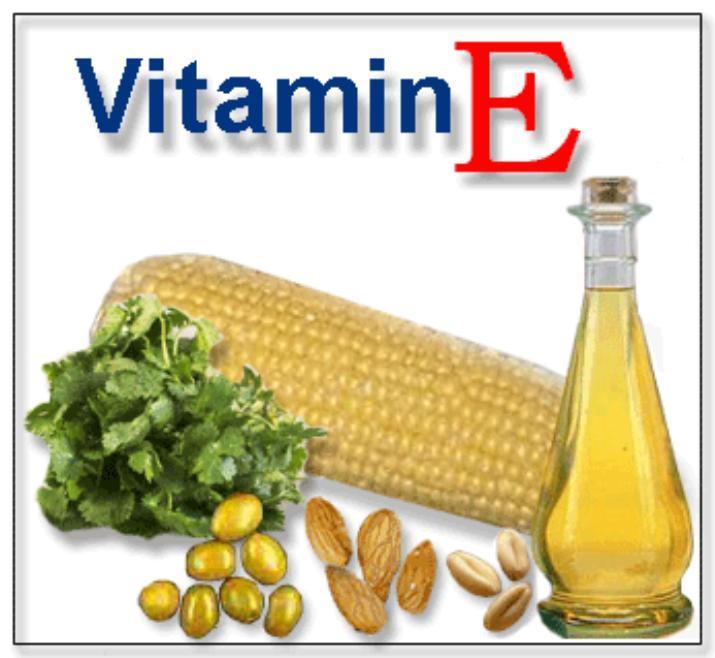 Vitamin E (so called “tocochromanols”) is a fat-soluble vitamin – it is a blanket term for eight different naturally occurring nutrients (4 different tocopherols and 4 different tocotrienols). It is also an antioxidant which can prevent damage to the...
 Vitamin A is a fat-soluble vitamin – it is common term for retinoids (retinoic acid, retinal and retinol) which are biologically active compounds that occur naturally in several plant and animal tissues. Vitamin A can be stored in the body (mainly in the liver), so if...
 Vitamin C (ascorbic acid, dehydroascorbic acid) is very important vitamin – actually it is a powerful antioxidant with vital functions. It is needed for normal growth and development – it helps to repair and regenerate connective tissues (bones, tendons,...
 Vitamins are essential nutrients and they play an important role in our health. Deficit of certain vitamins could cause several diseases and complicated health conditions. So called “sunshine vitamin” (vitamin D) is very important one and vitamin D deficiency could...
 Vitamin B12 (cyanocobalamin) is part of the B vitamin family – all B vitamins support adrenal function, help calm and maintain nervous system as well as strengthen key metabolic processes. Vitamin B12 is especially important for DNA and RNA synthesis, development and...
 According to scientists vitamin D deficiency could trigger several serious life threatening diseases including cancer, cardiovascular disease, osteoarthritis, autoimmune disorders, multiple sclerosis, type 1 diabetes and certain types of depression. It is well known...
 Unfortunately many women suffer from breast cancer, which is a malignant tumor. During breast cancer, group of cancerous cells grow in the breast (usually in one breast) and into other areas around breasts. Scientists mentioned that the frequency of breast cancer is...