“Obesity market” is full of different types of medication and thousands of people are using medication for obesity. Medical professionals are recommending obesity medication only for special types of obesity. There are several different drugs used for weight control and weight loss. It is not recommended to use obesity medications unless specifically instructed by a doctor. In most cases non-drug methods should be used for weight control.
While weight loss drugs in general have shown some benefit, the overall weight loss achieved is generally limited.
About obesity medications
- in most cases women will regain the weight when they discontinue the medication;
- medicine does not work for everyone;
- if you do not lose weight within 4 weeks of using obesity medications, the medicine probably will not help you;
- in general obesity medications should be used in combination with special diets and special exercises – with lifestyle changes such as eating less and increasing physical activity;
- although modern obesity medications appear to be safe, nutrition specialists do not know how safe or effective they are beyond 2 years of use;
- non-prescribed obesity medication and weight lose products are not recommended as some have dangerous side effects, and others have no proven benefits;
- obesity medications (weight-loss medications) should not be used for relatively minor or cosmetic weight loss.
Obesity medications
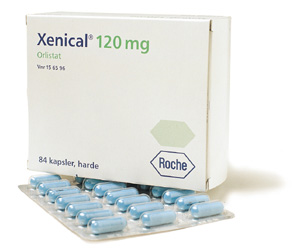
Most weight-loss medications for obesity work by making you feel less hungry or making you feel full sooner. Appetite suppressants decrease appetite by increasing levels of serotonin or catecholamines, such as norepinephrine. Serotonin and catecholamines are brain chemicals that affect mood and appetite. The exception, Xenical, works by disrupting lipase, the enzyme in the intestines that controls absorption of fats. It prevents digestion of about 30% of the fats eaten. These undigested fats are not absorbed, but excreted, thus lowering the calorie intake.
According to medical protocols the obesity medications are recommended for people who have Body Mass Index (BMI) of 30 or higher. But sometimes obesity medications are used for those with a BMI of 27 or higher who are at risk for obesity related diseases such as high blood pressure, high cholesterol, coronary artery disease, type 2 diabetes, and sleep apnea.
Obesity medication – benefits
It should be highlighted that the effect of obesity medications and weight loss drugs could be short-term and future weight management would be needed. In general obesity medications’ benefits include:
- weight loss,
- reduction of obesity-related health problems,
- psychological satisfaction and hope for body change.
Obesity medication – general side effects and risks
Like all drugs the obesity medications also have side effects and possible risks. The risks include the side effects, which vary from drug to drug. You should know contra-indications and side effects before you start any obesity medication. Side effects are especially a concern in patients who may be healthy other than their obesity. People obesity medications and/or weight loss drugs often find that their weight loss tapers off after 4 to 6 months. It could be explained by tolerance, which means the medication has reached its limit of effectiveness.
FIRST, obesity medications and weight loss drugs need special medical monitoring.
SECOND, to ensure your safety, before starting taking any obesity medications and/or weight loss drugs, be sure to let your doctor know if you have any of the following medical conditions:
- Diabetes (any type);
- High blood pressure (any type);
- Glaucoma or any other eye diseases;
- Heart disease including heart abnormalities (irregular heartbeat);
- Eating disorder (anorexia and bulimia in personal history);
- Depression or bipolar disorder (in personal history);
- Alcohol, drug, or other substance abuse (in personal history);
- Migraine (any etiology);
- Planning to have surgery that requires general anesthesia;
- Pregnancy and/or breastfeeding;
- Using any medication for other conditions.