Obesity affects more than 500 million people worldwide and obesity can trigger several diseases including high blood pressure, heart failure, stroke, diabetes, sleep disorders, cancer, etc. According to fundamental research, certain genes could lead to overweight and...
 Women and men share many similar health problems but women have very specific physiological differences which should be taken into special consideration. Modern medicine is able to extend life duration – it is becoming possible to live without illnesses because many...
 There are several different theories concerning causes of sugar cravings. Some experts link sugar craving with food allergies, some with stress, some with adrenal fatigue and some with hormonal fluctuations (mainly on women during menstrual cycle). Few experts...
 Obesity prevention is much easier than obesity treatment, weight loss, diets and regular physical exercises. If you feel becoming overweight, it would be recommended to start obesity prevention strategy. Important Points Be always very consistent Obesity prevention is...
 Obesity treatment with medical drugs can be very important and effective in cases of severe obesity when diet and exercises are not enough. Obesity treatment – Xenical (Orlistat, Alli weight-loss pill) Xenical can help only about 1/3 of obese patients with...
 The definition “overweight” refers to body weight that’s greater than what is considered healthy for certain height – it means having more body fat than is optimally healthy. Overweight causes can be different. Overweight usually happens over time when you...
 Many women are trying desperately to lose weight without any success. Sometimes it is because of female body physiological tendency to “hold on” to a certain amount of fat. Sometimes genetic factors are too strong and women need more efforts. Sometimes...
 Some women “cannot survive” without sweets – secretly eating chocolate and suffering from sugar cravings. It is sugar addiction. According to some studies, sugar is eight times more addictive than cocaine. Some women are more sensitive than others, but the more sugar...
 First of all we should clarify who can be considered overweight and who is obese. The main tool to check it is Body Mass Index (BMI) – see in following page. Generally speaking, the BMI over 25 should be considered as overweight and/or obesity. Several studies...
 How BMI should be calculated? Body mass index (BMI) is calculated according to person’s weight and height (see tables on previous page). BMI equals a person’s weight in kilograms divided by height in meters squared. (BMI=kg/m2). BMI is a reliable indicator of...
 According to official classifications, all women with Body Mass Index (BMI) between 30 and 34.9 should be considered as obese suffering from different types of obesity. It is well known that obesity is a risk factor for women health. What about smoking during obesity?...
 It is well known that the obesity is an excess proportion of total body fat. Woman is considered obese when her weight is 20% or more above normal weight. Body Mass Index (BMI) is usually used for objective obesity measures. Women could be considered overweight if...
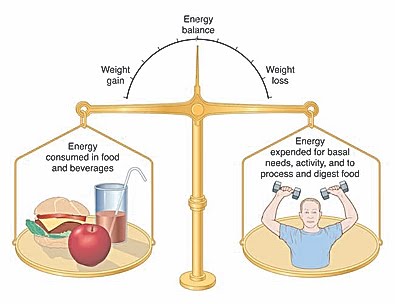 Obesity definition is well known – the obesity is an excess proportion of total body fat. In general the obesity occurs when a person consumes more calories than they need for the energy they use. In general a woman is considered obese when her weight is 20% or...
 Waist to Hip Ratio (WHR) measurement can be used to help determine obesity. At the same time Waist to Hip Ratio helps indicate increased risk of disease and mortality. Ratios higher than 1.0 in men and 0.8 in women may indicate increased risk. Thanks to Waist to Hip...
 How to lose fat? It is critical that we truly understand that losing the not appreciated fat is about 90% due to nutrition and only 10% or so due to exercise. Shocking? – Well, it’s actually very easy to demonstrate. Roughly calculating, if you grab 2 slices of...