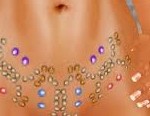
Pubic lice are tiny, flat-bodied, six-legged wingless insects that live on the skin (infect the pubic hair area and lay eggs). They are also called crabs because they have “claws”, which they use to hang on to hair.
They are light brown and the size of a pinhead. Pubic lice feed on the blood of humans; however, they can live up to 24 hours away from the person.
Pubic lice infect hairy parts of the body, especially around the pubic area. They look like small scabs to the naked eye. Their eggs (called “nits”) can be seen on hair close to the skin as little white dots. The eggs hatch in six to eight days.
In extreme cases, crabs will find their way to the abdominal area, armpits, moustache or the eyelashes.
Pubic lice are usually spread through sexual contact. They can also be spread through contaminated clothing and bedding.
PUBIC LICE symptoms

Pubic lice
Pubic lice symptoms, which usually appear within 5 days of being exposed, include
- Itching in area covered by pubic hair (often gets worse at night) – Crabs feed on human blood and so the first sign will be itchiness on your pubic region as they bite and suck blood. Itchiness is also attributed to the lice saliva;
- Skin reaction that is bluish-gray in color;
- Sores (lesions) in the genital area due to bites and scratching;
- Gray dots or grey like patches in your pubic hair or wherever the lice have been feeding – these are louse eggs;
- Visible eggs (nits) or actual adult lice may be seen (with a magnifying glass).
If you have pubic lice, you may not have any symptoms. If you do get symptoms, they usually begin 5 days to several weeks after getting the lice.
PUBIC LICE diagnosis
An examination of the outer genital area typically reveals small gray-white oval eggs (nits) attached to the hair shaft. It may also reveal adult lice. The health care provider might also see scratch marks or signs of an infection such as impetigo.
Because pubic lice may cause an eye infection (blepharitis) in young children, their eyelashes should be examined with a high-powered magnifying glass for evidence of lice.
Adult lice may be easily identified under the microscope. Their crab-like appearance is the reason that pubic lice are referred to as “the crabs.”
If you have Pubic lice, you should be tested for other sexually transmitted diseases.
PUBIC LICE treatment
There are several options for treatment that you can discuss with your health care provider. Medicated creams, lotions and shampoos can cure crabs. Some of these treatments are available without any prescription at the drug store. Follow directions carefully.
 |
Shave Crabs attach themselves to genital hair and lay their eggs on the root of genital hair. The first steps are to shave clean and burn the hair, sterilize the area you shaved on and the tools you used. Some doctors say “You do not need to shave your hair to remove crabs”. |
 |
Lindane shampoo is very effective on killing lice and the eggs. The FDA approves it but some countries don’t. Do not use Lindane when pregnant, breast feeding or on infants. |
 |
Malathion and Ivermectin are not FDA approved but are effective against crabs and their eggs. |
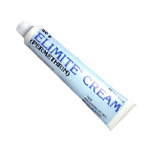 |
Elimite or Kwell
|
 |
Attention!
|
 |
Multiple treatments Treatments may need to be applied more than once depending on spreadness and treatment methods. In general a single treatment is all that is usually needed. If another treatment is recommended, it should be done 4 days to 1 week later. |
 |
Sexual contacts. Discontinue sexual activity until you completely get rid of pubic lice. It is important for all intimate contacts to be treated at the same time. |
 |
Clean – Clothes, bedding, towels, and other items that may contain the lice should be machine washed and dried on a hot cycle setting, or dry-cleaned. Articles that cannot be washed can be sealed in a plastic bag for 72 hours – these items should not be used during 10-14 days. Fumigation of living areas is not necessary. A person can become re-infested after treatment if exposed to crabs again. |
 |
Re-infection To avoid re-infestation sterilize all beddings and clothes that you use. Also have the courtesy of telling who you infected or who infected you to get treatment. |
PUBIC LICE complications
The constant scratching and digging can cause the skin to become raw, and secondary infections may develop.
In addition to the discomfort of the infestation, repeated scratching of the infested area can result in a serious skin infection. If you have symptoms or think you’ve been exposed to crabs, get examined and treated immediately to avoid any complications and continued transmission.
PUBIC LICE transmission
Pubic lice transmission generally occurs during sexual activity – usually spread through sexual contact – by contact it means that your genitals will be touching and this is usually during intercourse. But you can occasionally pick up Pubic lice through close personal contact or by using the unwashed bed linen, clothes, or towels of an infected person. Some women have gotten pubic lice while trying on bathing suits at a store.
If you are diagnosed with crabs, it’s important to tell everyone you’ve had sex with recently, so they can be examined and treated, too. Take all your medication as directed, even if you feel better before the medicine is finished. Don’t have sex until you and the people you’ve had sex with have been completely treated and all of your symptoms have disappeared, or you could infest each other again.
Household members, including children, should also be examined, even if they have no symptoms.
PUBIC LICE risk factors
- Being a sexually-active person;
- Having multiple sexual partners;
- Having sexual contact with an infected person;
- Sharing bedding or clothing with an infected person.
PUBIC LICE and pregnancy
Some medicated shampoos and creams used to treat crabs could be dangerous to an unborn baby and should not be used by women who are pregnant or breast-feeding, so you should tell your healthcare provider if you’re pregnant or breast-feeding when you seek treatment for crabs. All pregnant women should be tested for other sexually transmitted diseases (STDs), including HIV, as early as possible in pregnancy.
PUBIC LICE prevention
- Avoid close body contact with others.
- Good personal hygiene is always recommended.
- Always use a latex condom whenever you have sex (vaginal, anal or oral). In some cases condoms do not stop pubic lice, so make sure your sex partner does not have them.
- Have sex only in a mutually monogamous relationship with a partner you are sure is not infected.
- Limit the number of people you have sex with. The more partners you have, the higher your risk.
- Avoid sexual or intimate contact with infected people.
- Avoid alcohol and drugs when you have sex. Drinking or getting high makes it much harder to remember to use condoms to protect yourself and others.
- Avoid trying on bathing suits while you are shopping. However, if you must try them on, be sure to wear your underwear. This may prevent transmission.